Top Financial Forecasting Tools: Comprehensive Guide
Choosing the right financial forecasting tool isn't just important—it's essential for sound financial planning and decision-making. Over the years, I've seen firsthand how the right tool can transform budgeting processes, streamline operations, and provide clarity in uncertain times. As a finance professional, I've used various tools that have shaped my approach to financial analysis. In this guide, I'm excited to share my insights on what to look for and recommend the best tools currently available to help you navigate your financial journey.
Contents
1Why Choosing the Right Tool is Crucial
Selecting an effective financial forecasting tool is integral to any business strategy, especially in a fluctuating economic landscape. Such tools not only facilitate accurate budget predictions but also enhance the decision-making process by providing insightful data analytics. With many options available, understanding what each tool brings to the table is vital. A well-chosen forecasting tool can deliver significant advantages, including improved efficiency, better strategic planning, and the ability to respond swiftly to market changes. Organising and forecasting financial data can help identify trends, foresee potential financial pitfalls, and seize opportunities—ultimately supporting informed decision-making.
2Key Criteria for Choosing the Best Financial Forecasting Tools
When selecting a financial forecasting tool, several criteria should be considered:
1. Accuracy: A reliable tool should provide accurate forecasting based on historical data. Whether it's for budgeting, cash flow management, or revenue forecasting, the tool must have a proven track record of precision.
2. User-Friendly Interface: A straightforward interface promotes ease of use. The best tools allow you to automate various tasks while ensuring users can easily navigate through features.
3. Scalability: Your business may grow, and your forecast tool should be able to accommodate that growth. It should adapt easily to larger datasets and more complex financial models without compromising performance.
4. Integration Capabilities: Ensure the tool can integrate seamlessly with your existing systems, such as accounting or ERP software. This integration simplifies the workflow, reducing manual entry errors.
5. Customer Support: Reliable customer support is crucial for resolving any issues or queries. Tools offering comprehensive support services, including live chat and extensive tutorials, can save you time and frustration.
3Our Top Picks for Financial Forecasting Tools
HP 2 Line Financial Calculator Silver HP-17BII
Quzo UK

This powerful financial calculator is perfect for students and professionals in fields such as real estate finance and accounting. It features a wide range of financial functions, making it versatile for various forecasting scenarios.
Pros
- Easy-to-use interface
- Robust financial functions
- Suitable for both casual and advanced users
Cons
- Limited screen size for complex calculations
- May require time to learn all functions
Sponsored by Lopardi
Casio MS-80E calculator Pocket Financial Blue
Quzo UK
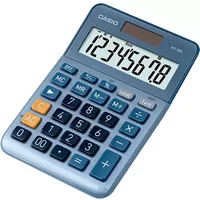
This compact yet efficient pocket financial calculator comes equipped with a large display and is designed for everyday office use. Perfect for on-the-go forecasting.
Pros
- Portability
- High-quality display
- User-friendly design
Cons
- Limited advanced features
- Small button layout may be difficult for some users
Sponsored by Lopardi
Aurora DT398 calculator Desktop Financial Grey
Quzo UK
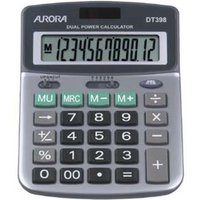
A professional semi-desk calculator equipped with a decimal point selector and a large LCD display. It’s suitable for those who require more robust features in a desktop unit.
Pros
- Large, clear display
- Programmable features for repeated calculations
- Durable build quality
Cons
- Bulkier compared to pocket options
- Battery-dependent, not solar-powered
Sponsored by Lopardi
HP 12c calculator Desktop Financial Aluminium Black
Quzo UK

The HP 12c Platinum Financial Calculator is renowned for its longevity, with essential features tailored for financial professionals. It’s highly regarded for its usability in finance and accounting scenarios.
Pros
- Long battery life
- Excellent for quick financial calculations
- Classic design with a solid build
Cons
- Steeper learning curve for beginners
- Limited advanced statistical functions
Sponsored by Lopardi
Custom high speed 58-80mm kisok printer TG2480 with low noise and easy loading for financial self-service equipment
Alibaba UK

Wholesale Price ,Trade Assurance | Alibaba.com
Sponsored by Lopardi
Aurora DB453B calculator Desktop Financial Grey
Quzo UK
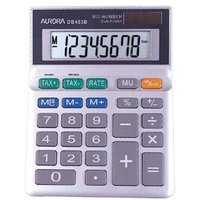
- One touch Programmable TAX feature.<br>- Robust model for everyday handheld or desktop use.<br>- Large keypad for easy entry.<br>-Extra large commonly used keys.<br>- Large 8 digit fixed angle display for optimum viewing.<br>- Durable hard keys.<br>- 3 key memory and +/- change sign key.<br>- Mark up for gross profit calculations.<br>- Constants: Addition Division Multiplication & Subtraction.<br>- Rubber feet (For desk top use).<br&
Sponsored by Lopardi
4Comparison Table of Selected Financial Forecasting Tools
| Criterion | HP-17BII | MS-80E | DT398 | HP 12c |
|-----------|----------|--------|-------|--------|
| Accuracy | High | Medium | High | High |
| User-Friendliness | 3/5 | 4/5 | 3/5 | 3/5 |
| Portability | No | Yes | No | No |
| Integration | Yes | Limited| Limited| Yes |
| Price | £78.73 | £18.51 | £15.86| £57.35 |
| Overall Rating | 4.5/5 | 4/5 | 4.2/5 | 4.4/5 |
5How to Use and Maintain Your Financial Forecasting Tool
To get the most out of your financial forecasting tool:
1. Regular Updates: Ensure that you regularly update your software, allowing you to access the latest features and functionalities.
2. Train Staff: When deploying a new tool, train your staff adequately. Familiarity with the software will enhance its use and reduce errors.
3. Routine Backups: Perform routine backups of your data. This ensures that you don’t lose critical financial information due to system failures.
4. Utilise Resources: Make use of any available resources, such as user manuals, online tutorials, or customer support to fully leverage the capabilities of your tool.
5. Feedback: Regularly collect feedback from users regarding the tool's performance and areas for improvement, adjusting use as necessary.
Conclusion
In conclusion, selecting the right financial forecasting tool can dramatically impact your business's growth and financial health. My advice is to assess your specific needs carefully—consider the features that matter most to you, such as ease of use, integration capabilities, and customer support. Don't hesitate to invest in a tool that aligns with your goals. For those seeking reliable options, the tools listed above are worth considering. Start making informed financial decisions today!