How to Start a Business: Your Comprehensive Guide
Starting a business is an exciting venture, yet it can feel overwhelming at times. Having taken this journey myself, I've discovered that the initial steps are often the most crucial. By making informed choices, you can set up your enterprise for success. This guide is designed to help you navigate the early stages of business development, focusing on essential criteria, practical advice, and the best resources available to support your new venture.
Contents
1Understanding the Importance of Smart Choices
When starting a business, the choices you make can define your path to success. From selecting the right business model to choosing the appropriate tools and resources, each decision weighs heavily on your venture's viability.
Careful consideration is paramount; for instance, if you're entering a saturated market, differentiation becomes essential. This could be achieved through superior customer service, unique product offerings, or effective marketing strategies.
According to UFC-Que Choisir, 60% of newly established businesses fail within their first three years due to poor planning and execution. Therefore, being well-researched and deliberate in your choices can dramatically improve your odds. Early investments in quality resources and understanding customer needs lay a solid foundation for future growth.
2Essential Criteria for Making Informed Choices
To successfully navigate the complexities of starting a business, consider the following criteria:
1. Market Research: Understand the industry landscape and identify your target demographic. Tools like Google Trends and surveys can help gather valuable insights.
2. Business Model: Evaluate various business models (B2B, B2C, etc.) to find the one that aligns best with your vision and market needs.
3. Financial Planning: Determine your startup budget and ongoing expenses. Websites like Investopedia provide excellent resources for understanding financial projections.
4. Regulatory Compliance: Familiarise yourself with local regulations, as starting a business involves adhering to specific legal standards. The UK Government's Business Support page offers practical guidance.
5. Technology Utilisation: Invest in the right technology for your business operations, whether it's accounting software or customer relationship management (CRM) tools. Research tools that streamline operations effectively.
By considering these elements, you can make informed decisions that set a strong precedent for your business's future.
3Recommended Products to Support Your Business Journey
QuickBooks Online
Legimi PL
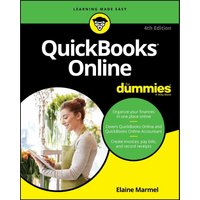
QuickBooks Online offers a comprehensive suite of accounting features to help manage your business finances effectively.
Pros
- Strong reporting features
- Cloud-based access
- Integrates with various tools
Cons
- Can be complex for new users initially
Mailchimp
lafeltrinelli.it

Mailchimp is an all-in-one marketing platform that helps manage your customer relationships through effective email campaigns.
Pros
- Easy to set up
- Excellent templates
- Free tier available
Cons
- Limited automation features in the free version
Canva
Fashiontamers PL

Canva is an intuitive design platform that enables users to create stunning graphics and marketing materials without needing extensive design skills.
Pros
- Intuitive interface
- Extensive template library
Cons
- Some features require a paid subscription
Trello
Lilysilk IT

Trello is a flexible project management tool that allows teams to collaborate and organise tasks visually.
Pros
- User-friendly
- Great for collaboration
Cons
- May lack advanced features for larger teams
4Comparative Overview of Product Features
| Criteria | Square | QuickBooks | Mailchimp | Canva | Trello |
|---|---|---|---|---|---|
| User-Friendliness | High | Medium | High | Very High | High |
| Price Range | £0 - £100/month | £10 - £30/month | £0 - £200/month | Free - £12.95/month | Free - £20.83/month |
| Integration Options | Excellent | Good | Very Good | Limited (paid only) | Good |
| Customer Support | Excellent | Strong support | Good | Basic support | Good |
| Ideal for | Retail businesses | Small to medium firms | Marketers | Designers | Teams managing projects |
This comparative overview provides a snapshot of the features that different products offer, allowing you to make more informed decisions based on your business needs.
5Practical Usage and Maintenance Tips
Starting a business requires diligence not only in initial setup but also in ongoing management. Here are some practical tips:
1. Create a Business Plan: Outline your business goals, strategies, and financial forecasts. A plan serves as a roadmap for your journey.
2. Set Up Routine Reviews: Regularly assess your financial and operational metrics to ensure you're on track. Such evaluations help in identifying areas for improvement.
3. Engage with Customers: Actively solicit feedback, which not only enhances customer loyalty but also directs your next steps based on their needs.
4. Network and Collaborate: Building relationships with other entrepreneurs can yield valuable insights and potential partnerships. Don’t shy away from attending networking events.
5. Invest in Continued Learning: Stay updated on industry trends through continuous education, such as attending seminars or enrolling in online courses.
Good maintenance and growth strategies can significantly uplift your business's performance in the long run.
Conclusion
While embarking on your entrepreneurial journey may come with its challenges, remember that proper planning and informed decision-making can significantly enhance your likelihood of success. Take your time to assess your options and trust the process. Good luck, and don’t hesitate to leverage the resources mentioned in this guide to kickstart your business. To get started, consider listing your top priorities and researching the most suitable solutions for your needs!